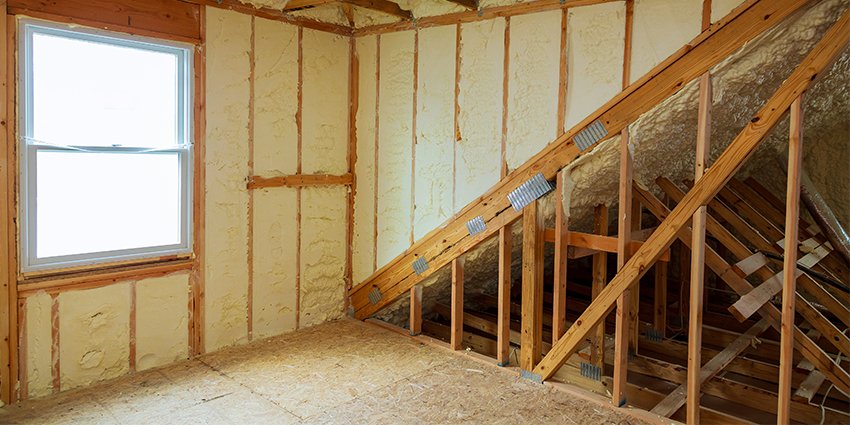
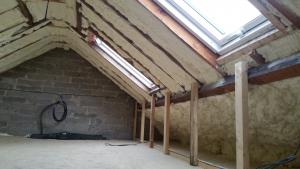
If you plan on using the loft/attic as storage space, you should lay boards above the joists. It is not enough to insulate between the joints if you do not cover the entire area.
It is much more effective than fibreglass, rock wool or polystyrene panels when used inside walls, roofs, floors and attics. Because of its dense composition and application process, it creates an airtight envelope. It keeps out sounds from the environment like traffic, pedestrianised streets and homes near airports.
It also prevents sound generated from within a building from reaching adjacent floors or the floors below them. Spray foam insulation can dramatically reduce noise levels in structures by reducing the frequency of certain noises such as talking, hair dryers and telephones, computer printers and office computers, washing machines, running showers and clothes dryers.
Spray foam insulation, which is flexible and packed with millions of tiny air bubbles, absorbs vibrations from the floor and wooden members. It also inhibits sound transfer through the floor. Spray foam insulation reduces sound transmission by sealing any cracks or crevices that airborne noises can travel through.
Spray foam insulation reduces, if any, the sound of water passing through pipes. It surrounds pipes securely, preventing them rattling. It also prevents hot water from flowing through the pipes, which can cause the wooded beams to creak, crackle and expand.
It also prevents heat from escaping the upper floors. This causes the lower floors of the building to cool down, which then requires more heat in order to keep them warm.
If the loft is accessible and free from damp or condensation, insulation should be simple. In many cases, you can do it yourself.
An uninsulated home loses 25% of its heat through its roof. Insulating your attic, loft, or flat roof can reduce heat loss and lower your heating bills.
If you have access to your loft joists and it is easy to use, mineral wool insulation rolls can be used. The insulation layer is placed between the joists (the horizontal beams that make the loft’s floor) and then another layer is applied at right angles to cover all the joists.
You can raise your floor to provide enough insulation. You can either fit timber battens between the joists or buy plastic legs that are specifically designed to fit the joists. To prevent condensation, make sure there is a vent between the insulation boards and the insulation.
Do not squash the mineral Wool when fitting the boards onto the top. This will cause it to lose its insulation properties.
Insulation blocks heat escape from living spaces. Therefore, loft insulation will cool your loft space, which can lead to condensation or damp problems. You may need to increase ventilation if you install loft insulation yourself.
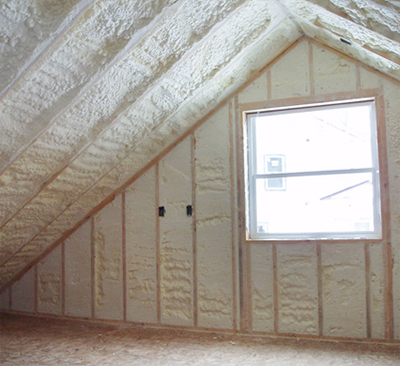
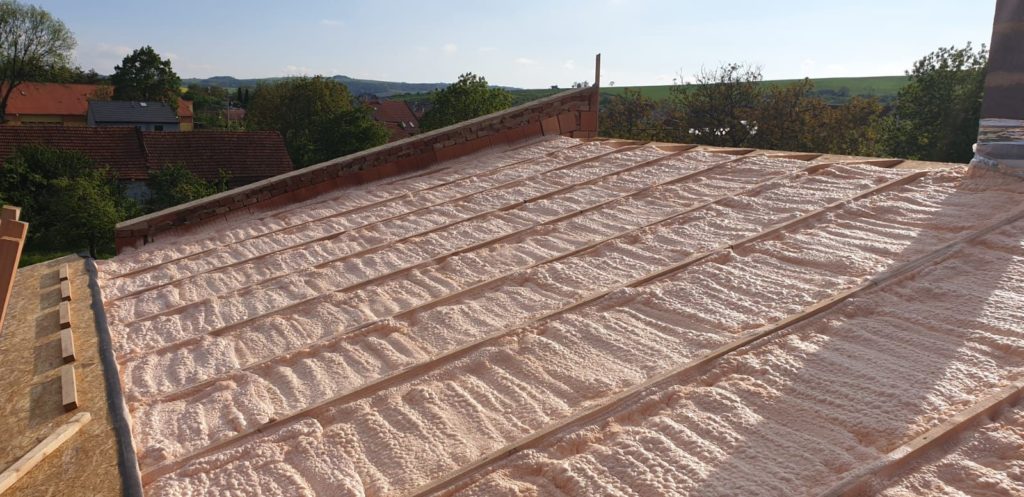
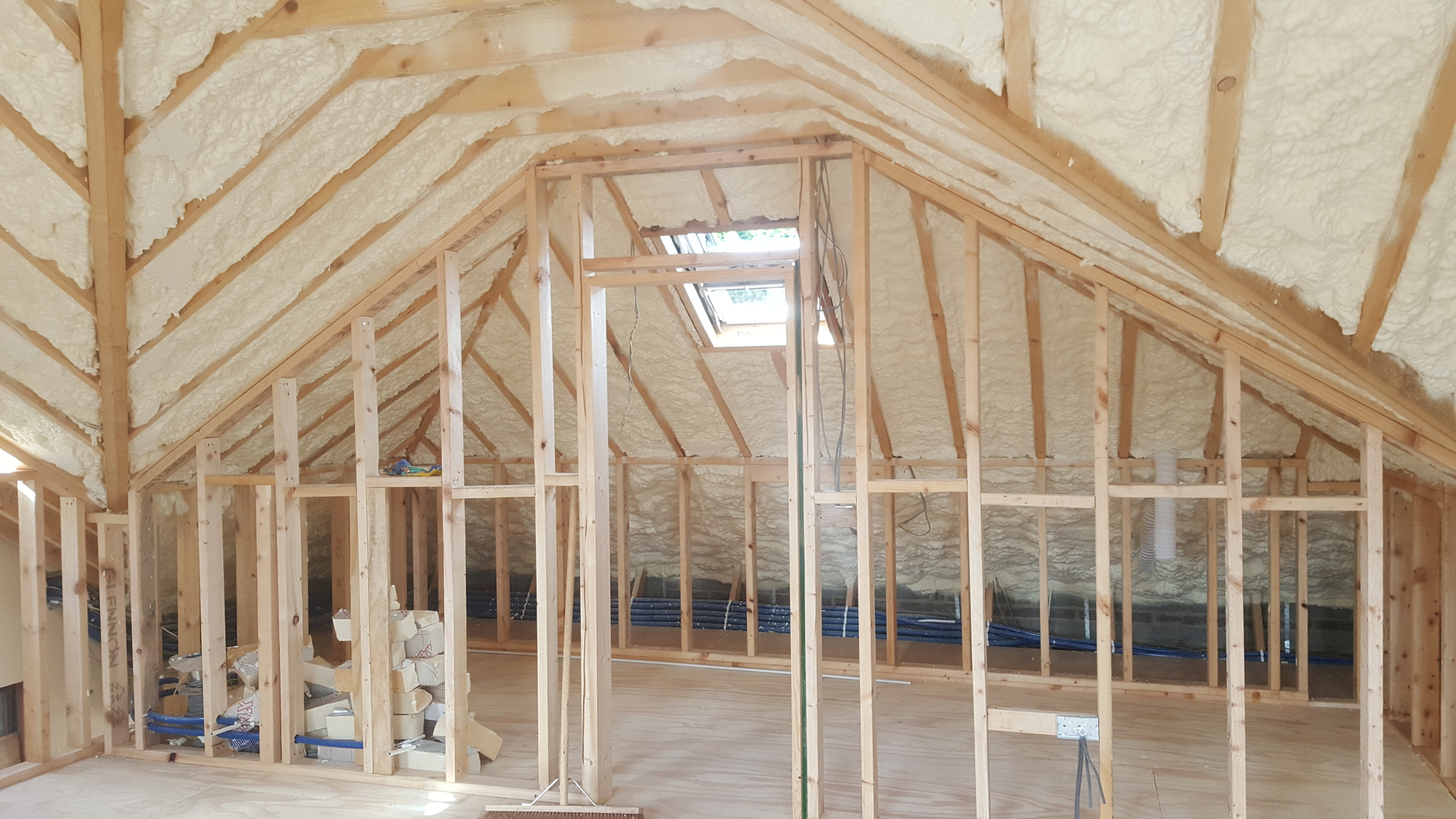
A second way to insulate your loft, is to install insulation between and over rafters. These sloping woods make up the roof. Either rigid insulation boards can be carefully cut to the required size or foam insulation can be sprayed between each rafter.
Some companies offer to fix a roof that is leaking or damaged by applying foam insulation directly to the roof. This will not solve the problem. This is not something we recommend. You must ensure that your roof is in good condition before you apply insulation.
If you are looking to use your loft as an indoor heating room, you can create a space in the roof.
If you are planning to use your loft for living, or you already have it, you will need insulation between the heated space and unheated area.
For your home to remain fresh, dry, healthy and clean, it needs air flow. Good installers will ensure that there is no obstruction or sealing of any inadvertent ventilation. Do not cover any grilles, vents, or airbricks if you do DIY insulation.
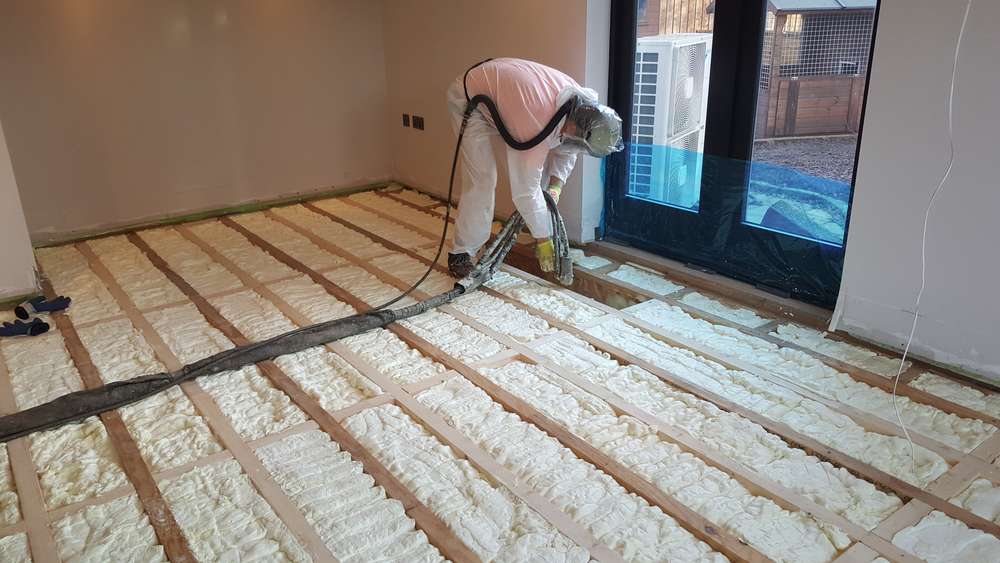
If the loft is not easy to access, a professional can install blown insulation. This specialist will use special equipment that can blow insulation into difficult spaces. They might use treated cellulose, mineral wool fibre or polyurethane foam.
Flat roof insulation may save you the same amount as loft insulation on your heating bills. The size of your flat roof will affect the savings.
You can probably insulate your loft yourself if it is accessible and does not have damp problems. Professional installation is recommended for those with damp problems and more complicated insulation systems.
Cold draughts could be caused by the cooler loft air. Fit an insulated roof hatch and place strips of draught-exclusion material at the hatch edges.
Insulating your ground floor can help you keep your home warm and reduce your carbon footprint.
Insulating a loft is an effective way to lower heating bills, be more efficient and warm your home in the winter. Even if you already have insulation, it is crucial to have the best amount in order to make it effective.
Loft floor rolls – These are the classic option. They are laid along the loft’s floor. They are quicker to lay than insulated flooring boards. They can be purchased as either loose (blanket), or encapsulated (blanket), and can be used to make both top and base layers. You can board them over with stilts to create a raised storage platform.
These suggestions and recommended items aren’t included in this article’s list of materials or tools. Make sure you read the entire article to ensure you are fully equipped to insulate your loft floor safely.
Even though insulation is often present in homes, some may not be effective. This could be due to insulation being compressed by storage boards placed over it or if it hasn’t been topped up in the long-term. Sometimes, loft floors can be as small as 25mm in depth for older properties.
There is no need to remove loft floor insulation. To reach the recommended level, simply add one or more layers to it. We will discuss how much to recommend in the next section.
The loft floor’s joist spacings will influence the width roll that you choose. This is because insulation will be rolled between the joists. We recommend that you choose one that is as close as possible to your joist spacing. This will minimize the need to trim excess.
The insulation must have the required thermal resistance. If you only want to lay loft rolls, there is an alternative method that measures the insulation thickness. This section will provide you with information on how to calculate the thickness of your loft floor insulation.